
The Year
A few words about the Best Films of 2025

475. That’s how many entries I logged on Letterboxd in 2025. 475 does not include the two films I’m planning on watching today, so I suppose that’ll make 477. So, 477 films. I can break it down further, like the fact that, according to Letterboxd, 401 of that 477 were feature films, as opposed to shorts. Then, if I account for all the rewatching I like to do, the number goes down to 360. So that’s 360 feature films I’ve watched at least once in 2025. Assuming, of course, that my tracking was consistent.
We can take this further, though. If I tabulate the number of new, 2025 feature releases that I saw this year, I land on 123. That’s 123 films from the year 2025 that I’ve seen. But that number’s not quite right, either, because it misses the films I saw at TIFF in 2024, which were only released this year. Then there are the movies I saw at TIFF this year, which will be 2026 films. At some point, I just give up. I saw a lot of movies. More than most normal people; fewer than some insane people I know and love. And much as people like to pretend otherwise, numbers don’t make a year. Not even a year in film.
I am not a big list guy. I like reading them, but making them rarely feels right. The process is too arbitrary to matter, personally. This year, though, I found myself taking stock of what’s felt like an oddly good time at the movies. There were lulls, and certainly questions about whether it’d end up being a great year for cinema. A couple weeks ago, though, when I started thinking about the best films I saw, I discovered the list was long and varied. At first I had thought I’d like to do a Top 10 this year. Then I started considering a Top 20. Eventually a Top 30 or even 40 wasn’t out of the question, but then what’d be the point?
So I arrived at a different solution. A Top 10 list—ranked, for the good sport of it—but not definitively my ten best of the year. Rather, I attempted to craft a list that captured something of what excited me most at the movies this year, along a set of common themes. In particular, I discovered while assembling the list that in 2025, I could feel two great pulls. A pull toward the past, and a pull toward the future. Often, the same films did both, reckoning with relationships to history while charting paths forward in an unsettled world.
Many films fit criteria that broad, but I zeroed in on the ten that made the tension feel real and present. Other films are not lesser for failing to make the cut. Hamnet had me sobbing for an hour straight, and The Secret Agent welcomed me with its finely crafted universe, and Universal Language stunned me with its emotionally attuned absurdity. There were films I loved that caught flack, like Materialists, to my mind one of the sharpest movies about life as an urban millennial I’ve seen. After the Hunt, with all its cynicism about the post-MeToo era, has lodged itself quite firmly in my head.
Adam Curtis had Shifty, a new documentary series that I’m counting as a film, and one that could easily have fit my criteria. Ditto Eugene Kotlyarenko’s excellent The Code, which stars Red Scare Dasha, everyone’s favourite Dimes Square fascist, as a screwball comedy hero for the screenlife age. Courtney Stephens and Callie Hernandez’s Invention plumbed the depths of personal grief with astonishing creativity. Joel Potrykus’s Vulcanizadora is a tiny, funny, upsetting miracle of a film about men in crisis, and a welcome return by a great filmmaker.
I could go on, and on: Final Destination Bloodlines was among the best times I had in a theatre all year; Friendship was one of the funniest; David Cronenberg’s The Shrouds was one of the most profound (and funniest); Richard Linklater’s Nouvelle Vague and Blue Moon were small-stakes delights; Avatar: Fire and Ash was an incredible thing to witness; If I Had Legs I’d Kick You stressed me the hell out while making me laugh a lot and left me even more in awe of Rose Byrne; Alex Russell’s Lurker was a surprisingly intelligent and sticky little thriller; Splitsville had me rolling with laughter; Sentimental Value offered a rich portrait of family dysfunction; Wake Up Dead Man combined a fun murder mystery with serious insight into the value of faith; Misericordia swept me up with its darkly comic insanity; One of Them Days was proof that studio comedies can still kill with a packed audience; and Charlie Shackleton’s Zodiac Killer Project was meta-documentary perfection.
A few more titles are worth mentioning. The Mastermind is another masterpiece from America’s best filmmaker, but much as I adored Kelly Reichardt’s new film, I left it out of the Top 10 purely on theme, though it could still have fit. Lists are arbitrary, like I said. The same goes for Eddington, an incredible portrait of or terrible modern condition. The Testament of Ann Lee with its utopian visions, might well have fit on the list, too, but I’ll save that one. I struggled over The Phoenician Scheme, the film that turned me around to some extent on Wes Anderson’s recent run, and which has lingered in my mind as a hilarious, moving story about legacy. (There are also upcoming films like Sophy Romvari’s Blue Heron and Matt Johnson’s Nirvanna the Band the Show the Movie, which might well have been here if not for the fact that I’m calling them 2026 pictures).
So, finally, after much whittling, I got it down to ten. And here they are:
10. Peter Hujar’s Day
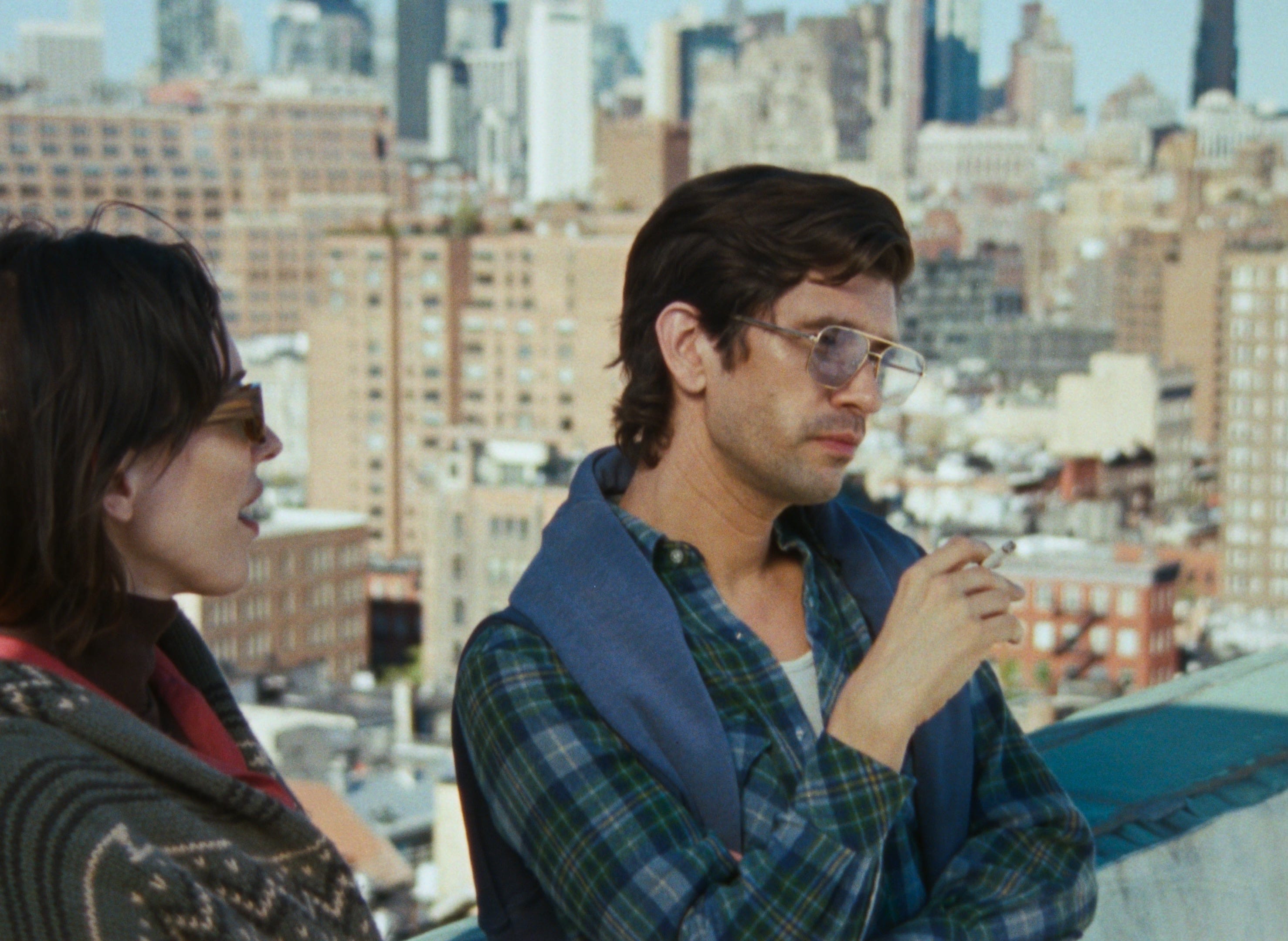
Ira Sachs’ latest is also one of the last new films I managed to get in before the end of the year, and it completely blew me away. I wrote about the film for the newsletter, and knew it would be on this list. That’s because, among its many incredible qualities—its formal precision, its meta-fictional approach, its two fantastic performance—this rendering of an interview, in which the photographer Peter Hujar recounts a typical day in his life, is all about making the past present in a way that suggests a future, too. In attempting to hold onto this man lost to AIDS, the film discovers odd commonalities of human interest and desire contained within daily mundanity. What was true in the mid-1970s was true a thousand years before that, and will be true a thousand years hence. Amazing that a film so small can feel so huge.
9. Sinners
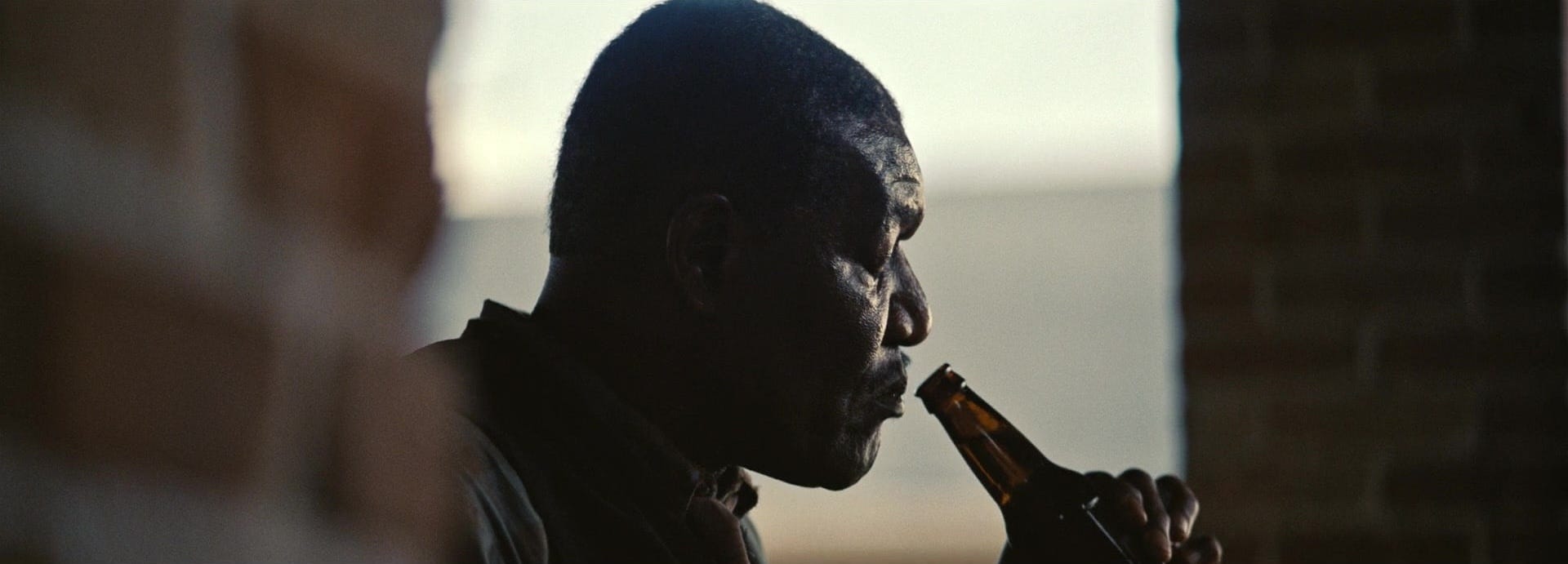
Sinners was the movie that turned it all around. When the year, at first, was shaping up to be nothing special, Ryan Coogler’s blockbuster vampire musical horror extravanganza shot life into moviegoing. Seeing the film with an opening night crowd in IMAX was absolutely electric. Coogler, too, reached into the past, mashing up history and genre to emerge with something so much greater than the some of its already excellent parts. When the veil was pierced, in the film’s most noteworthy sequence, it was like experiencing magic. Here was one of Hollywood’s biggest mainstream directors laying a claim to the future of the industry in every conceivable sense. At once grand, and completely personal, steeped in history and absolutely fresh all the same.
8. Marty Supreme
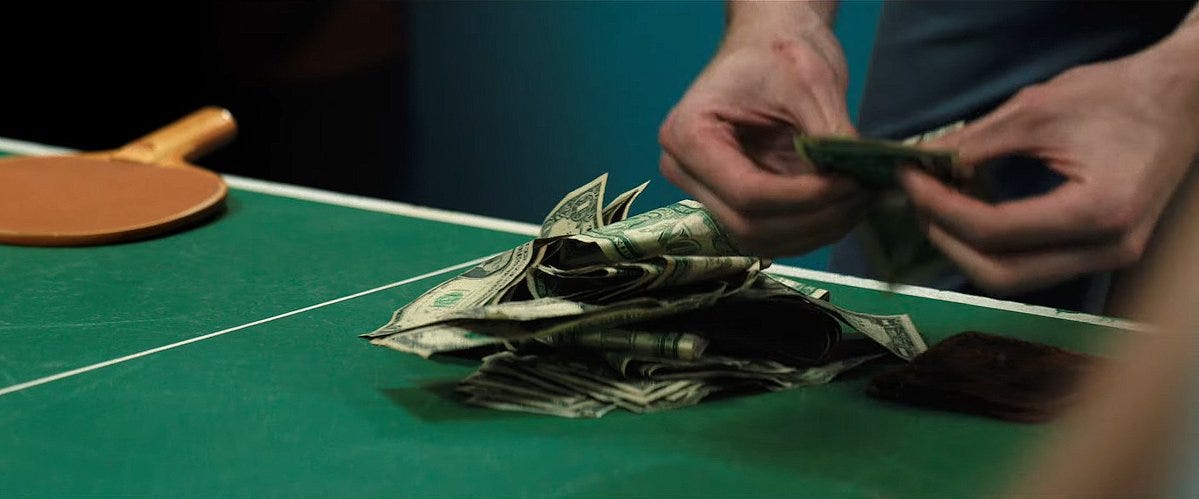
The future is Marty Supreme. It’s the Safdies, and Timothée Chalamet, and original filmmaking. It’s Marty Mauser, a character who exists in the 1950s, but whose energy belongs to 2025, and perhaps also 2055. I wrote yesterday about the synth music in the film, but it’s more than just the music. Marty Supreme is alive to the possibilities of mainstream American moviemaking in a manner truly unseen since the ‘70s. It’s alive to the world, too, in all its grave contradictions and beautiful, exciting moments of human connection. In its final frames, the film speaks beyond itself, to what lies in store for all of us. It is the need to live, not just among other people, but for them.
7. Henry Fonda for President
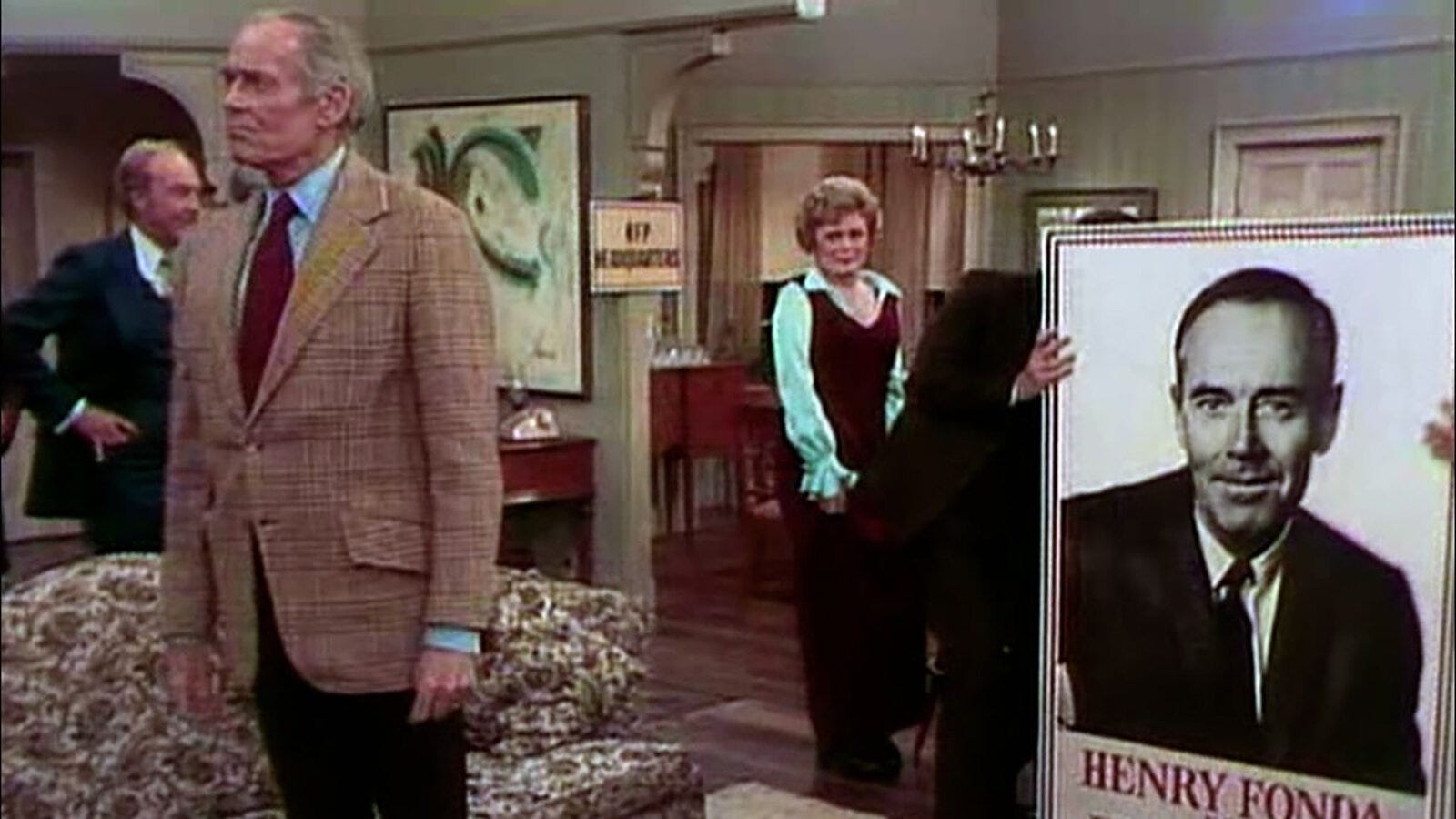
I waffled on including this film, which few have seen and which is impossible to access outside of random screenings being held, but ultimately I could not deny Alexander Horwath incredible documentary essay about Henry Fonda and how Fonda’s life an work reflected both the realities of American history, and its positive aspirations. Long and exhaustive, Henry Fonda for President has not left my mind since I saw it back in March. A film whose impression of what it means to be a good person, in the figure of Fonda, suggests so much about the world we should be making together, despite all the challenges.
6. On Becoming a Guinea Fowl
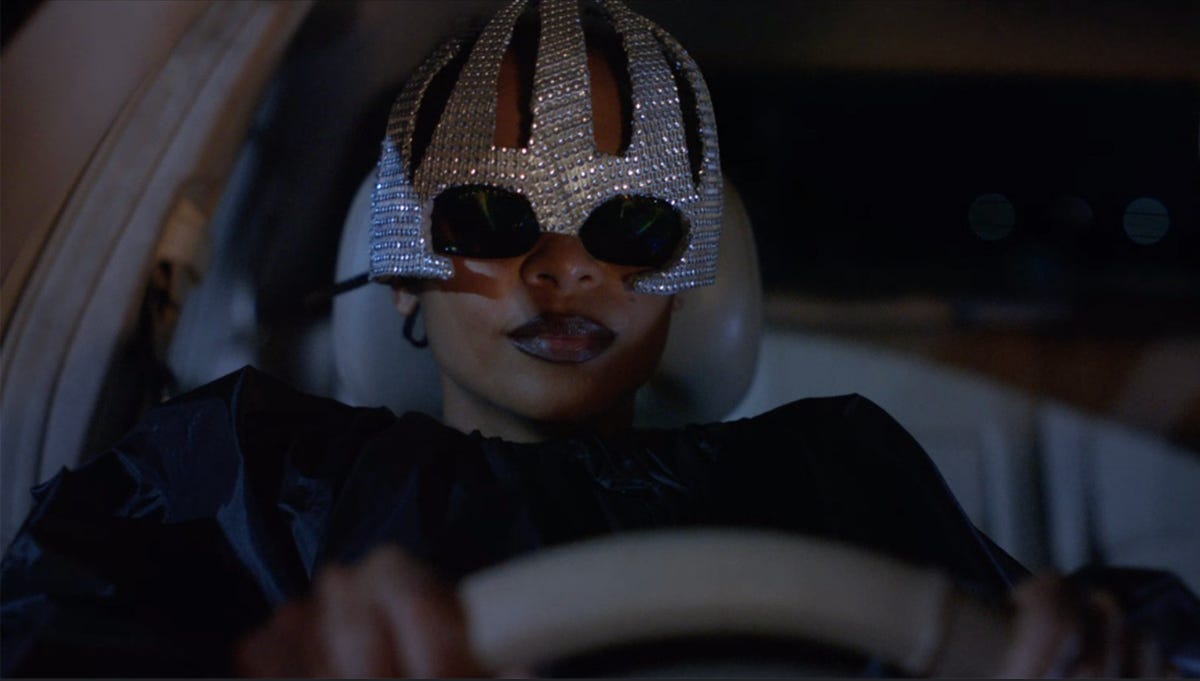
I saw Rungano Nyoni’s On Becoming a Guinea Fowl back at TIFF 2024, and I feel I underrated it at the time, despite praising it to the hilt. Susan Chardy plays a woman who stumbles on her uncles dead body in the middle of the road one night on the way to a party. So the family gathers to have a funeral, but quickly we begin to understand there are buried secrets. All of this would be typical of an adult drama, but Nyoni is attentive to far more than just family spats at a funeral. Instead, On Becoming a Guinea Fowl is about the modes of cultural communication that allow truths to be hidden, realities distorted. It’s a film about language, and custom, and tradition, and the ways those things create family and community, but also begin holding everyone back to the point of terrible absurdity. This, too, is a film fundamentally about the future, and the personal pain it takes to build one, even within the scope of family. That it does so with such great comic verve is only further proof of Nyoni’s bold vision as a filmmaker.
5. Castration Movie Anthology ii. The Best of Both Worlds
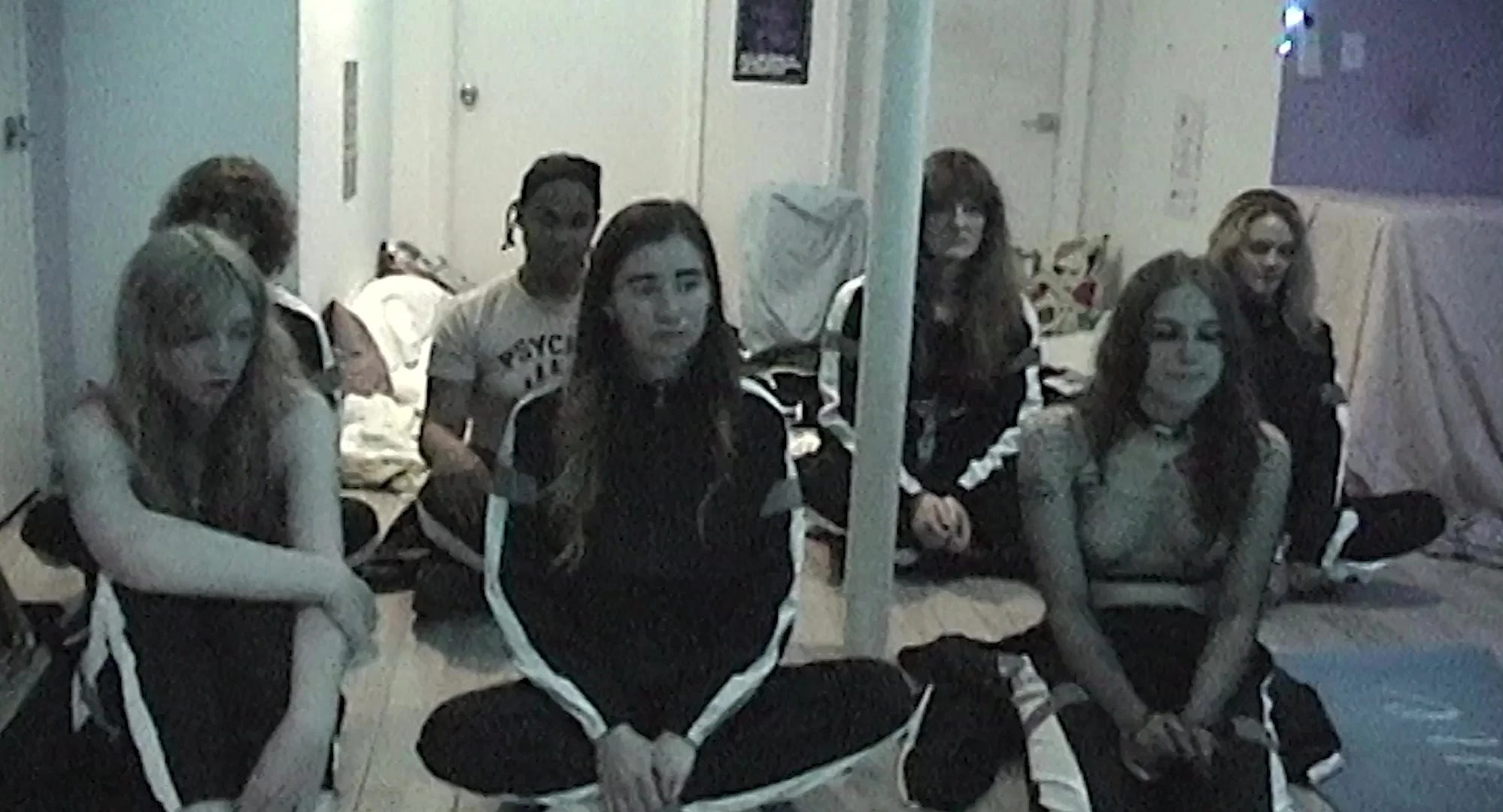
Louise Weard’s ongoing underground anthology epic, Castration Movie, finally screened in Toronto this year. Its first volume, released last year, along with a smaller premiere screening of the second. In a way, this entry covers both, but The Best of Both Worlds on its own would have been enough. At five hours long, and deliberately punishing in every way—from its rough MiniDV photography, to its even rougher content—this is filmmaking unlike anything anyone else is doing. A trans manifesto of a sort, containing within it what one has to imagine is every troubled thought that’s ever entered Weard’s mind, experiencing Castration Movie was a true breath of fresh air. For all the trouble the maintream industry has had, independent film has become an even greater struggle. But here, made on a budget of approximately nothing, was one of the most daring things I’d ever seen onscreen, the collective product of a community of likeminded people, sharing their lack of resources to create a new kind of movie for a new kind of world.
4. Eephus
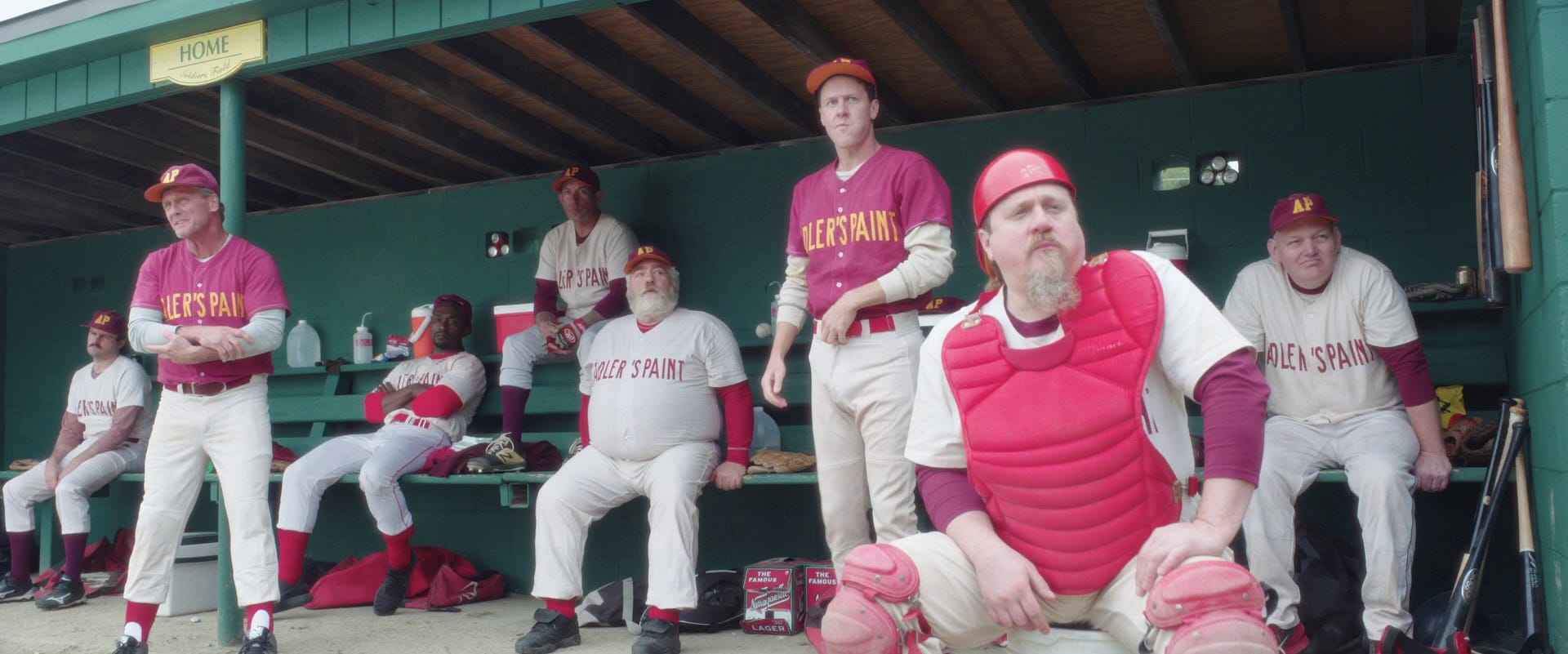
Eephus is also a product of a collective, Omnes Films, co-founded by Ham on Rye director Tyler Taormina. More filmmakers coming together with scant resources to produce small films that speak to the smaller things that make up the meat of living. In Eephus, an old community baseball diamond is set to be demolished and replaced by a public school. The past making way for a productive future. But in that moment of transition is mourning. As the regular crew of mostly middle-aged players finish out their seemingly endless final game, the diamond becomes a microcosm of fraying social relations, the detritus of progress’s forward march. What future is there without it, the film poses? Truly.
3. Caught by the Tides
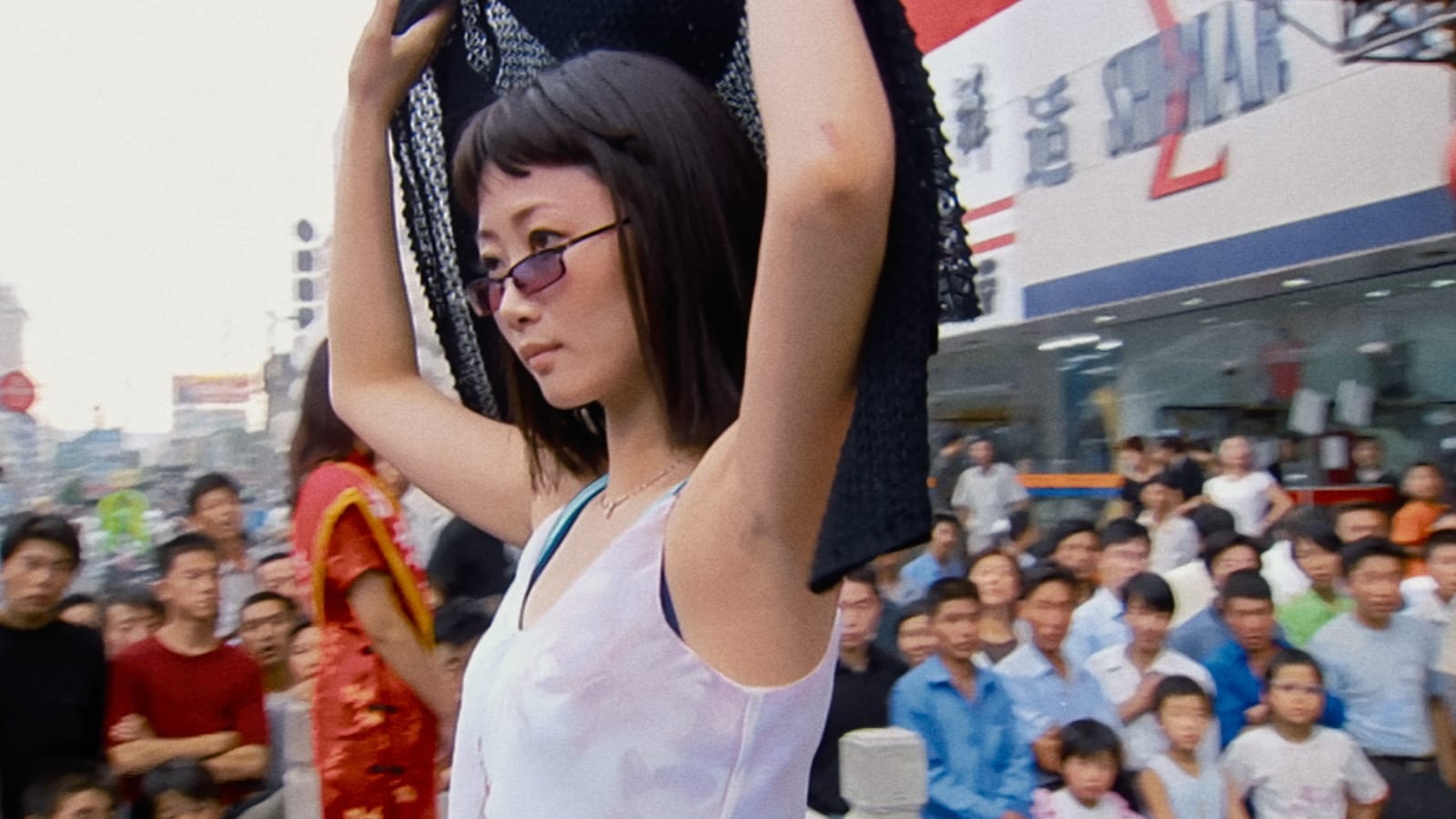
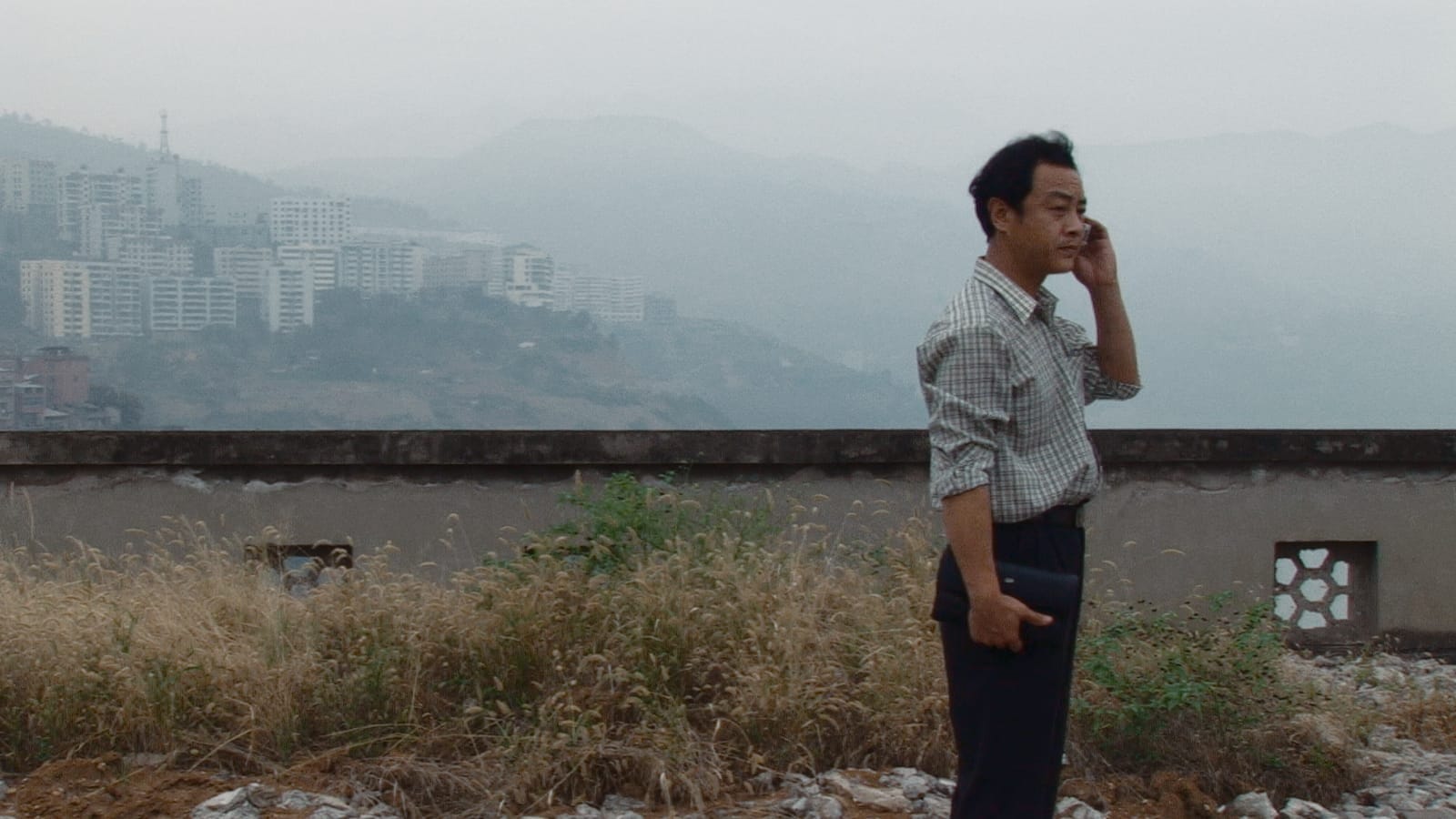
Assembled mostly out of footage and outtakes from Jia Zhangke’s prior films, Unknown Pleasures, Still Life, and Ash Is Purest White, the Chinese director crafted something quite extraordinary. Caught by the Tides is ostensibly the story of a couple separated by the movements of history and a rapidly changing China. It is also a document of that changing China. And what’s more, it is a document of the dislocation fundamental to the progress of time. When the film finally arrives in the present, it’s a revelation. Just another moment in history that instantly becomes the past the moment it’s captured. How beautiful a thought, with so much left to come.
2. One Battle After Another
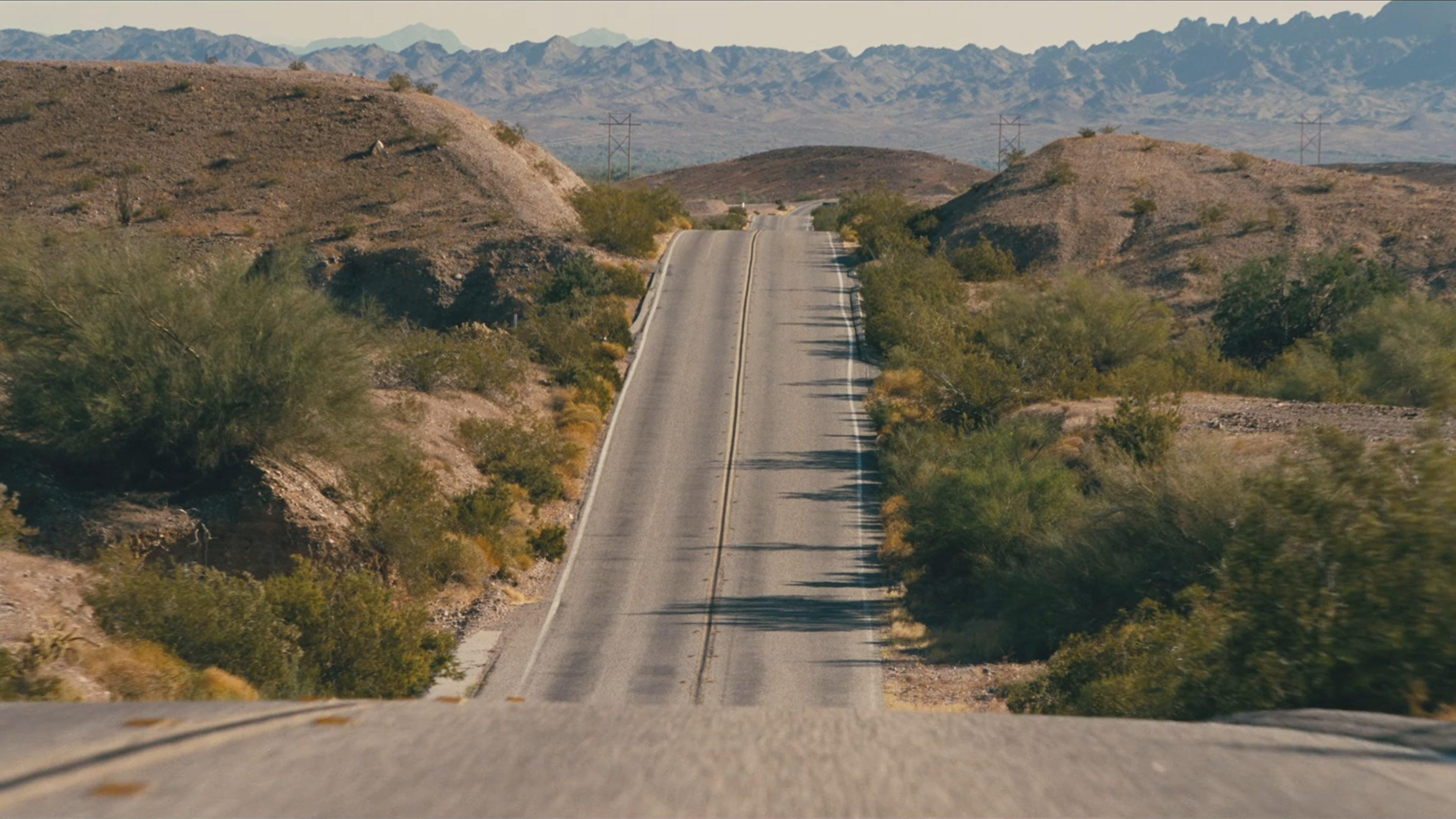
I’m not sure much more needs to be said about One Battle After Another, but it’s incredible what Paul Thomas Anderson managed to do. A rip-roaring piece of Hollywood entertainment, that unveils endless depth across multiple viewings, and whose thornier elements only add to its power. Anderson’s first film in decades set in what is ostensibly the present, that deals with the history of radicalism, while keeping one eye very squarely on the next generation. It’s like a gift.
1. 28 Years Later
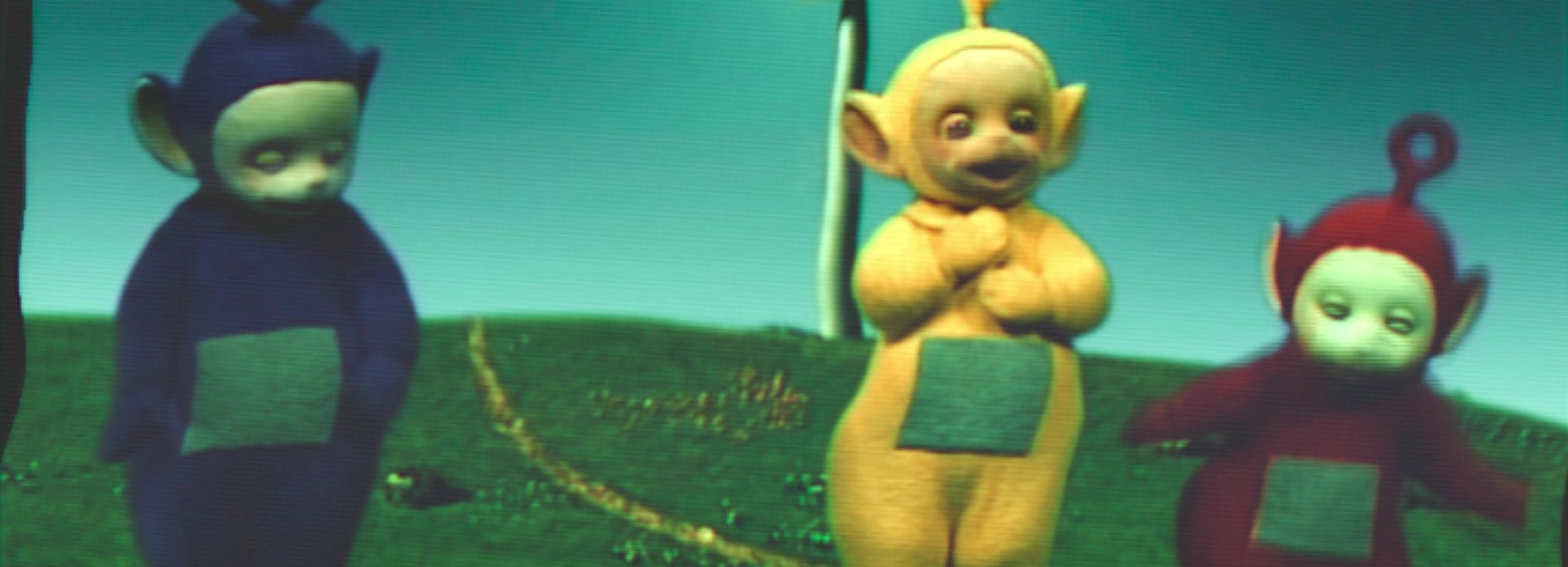
No film in 2025 surprised me more than Danny Boyle and Alex Garland’s 28 Years Later, the long anticipated sequel to their original, genre defining classic. I could never guess at the visual astonishment they’d conjure up, or the post-apocalyptic world they’d create, or the unbelievable well of emotions they’d tap into. I wrote about 28 Years Later at length for the newsletter, and the time since has only seen my estimation for the film grow and grow. Amid what looks like a collapsing world, Boyle and Garland invented a fallen one in which history, culture, myth, memory, grief become the bedrock for a new kind of hope, built on openness and humanity. Remember, you must die. Remember, you must love.
Happy New Year Corey! Great list! We share the same top 3 just our arbitrary ranking of them differs. Plus came away w/ 3 more films I need to check out.